
Why European Bus Tours Make Sense for Most Travelers
Europe packs dozens of countries, languages and rail systems into one compact continent, and stitching them together yourself takes real effort. A coach tour removes much of that effort. This guide explains how European bus tours work, where they shine, where they fall short, and how you can get the most from one before you book.
How a European bus tour works
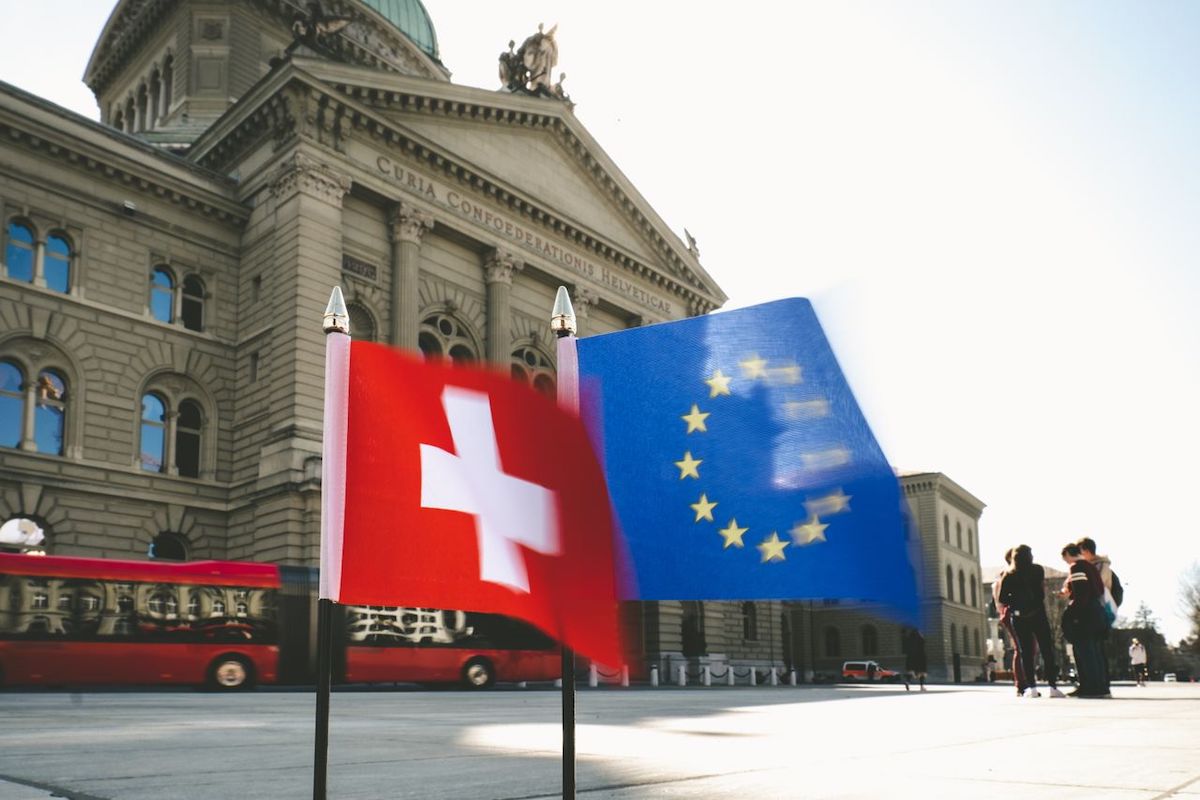
A European bus tour is a pre-planned, multi-stop trip. One coach carries the same group from city to city, and the hotels, route and daily schedule are set before you leave. A tour director travels with you, and local guides often take over at the major sights.
Trips run from a long weekend to three weeks or more, so the format stretches from a quick taste of two capitals to a full circuit of several countries. Most packages cover hotels, breakfast and some key entry tickets. Some add dinners and excursions, which is why you should check what sits inside the price.
Why a coach suits most travelers
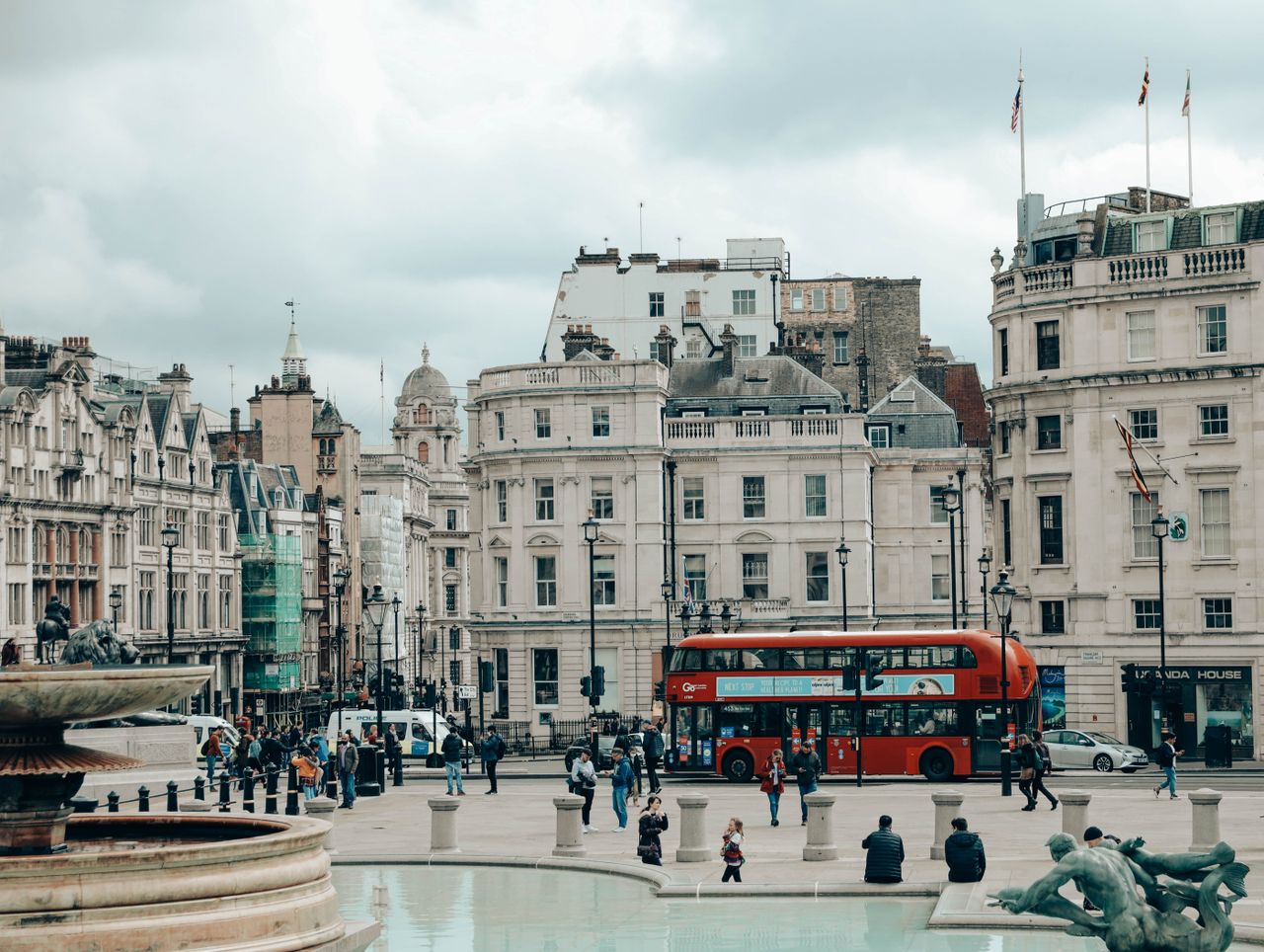
Distance is Europe’s biggest planning headache. Getting from Amsterdam to Cologne, then on to Heidelberg and Munich, means comparing timetables, rail passes, regional tickets and connection times for every leg. On a coach, someone else has already solved the route. Your luggage moves from hotel to hotel without you hauling it across station platforms, and you spend your energy on the trip rather than the spreadsheet.
Borders are another point in its favor. Much of the continent sits inside the Schengen Area, most border crossings happen without passport checks, though spot checks do occur, and your tour director handles the practical details when the language or currency changes.
Coaches also reach places trains skip. Alpine villages, wine regions and castle-lined river valleys such as the Rhine often sit a long way from a mainline station. A coach drops you at the edge of the old town, or at the trailhead, with no rental car and no taxi negotiation.
Then there is local knowledge. A guide who knows the region can explain what you’re looking at and steer you toward a lunch spot without a tourist menu. Pre-booked entry at busy sites can also save you a long wait in a ticket queue under a July sun.
Cost is easier to predict, too. With transport, accommodation and many entry fees bundled, you know most of your spending before departure, which makes it simpler to compare a coach itinerary against building the same trip yourself.
Who benefits most
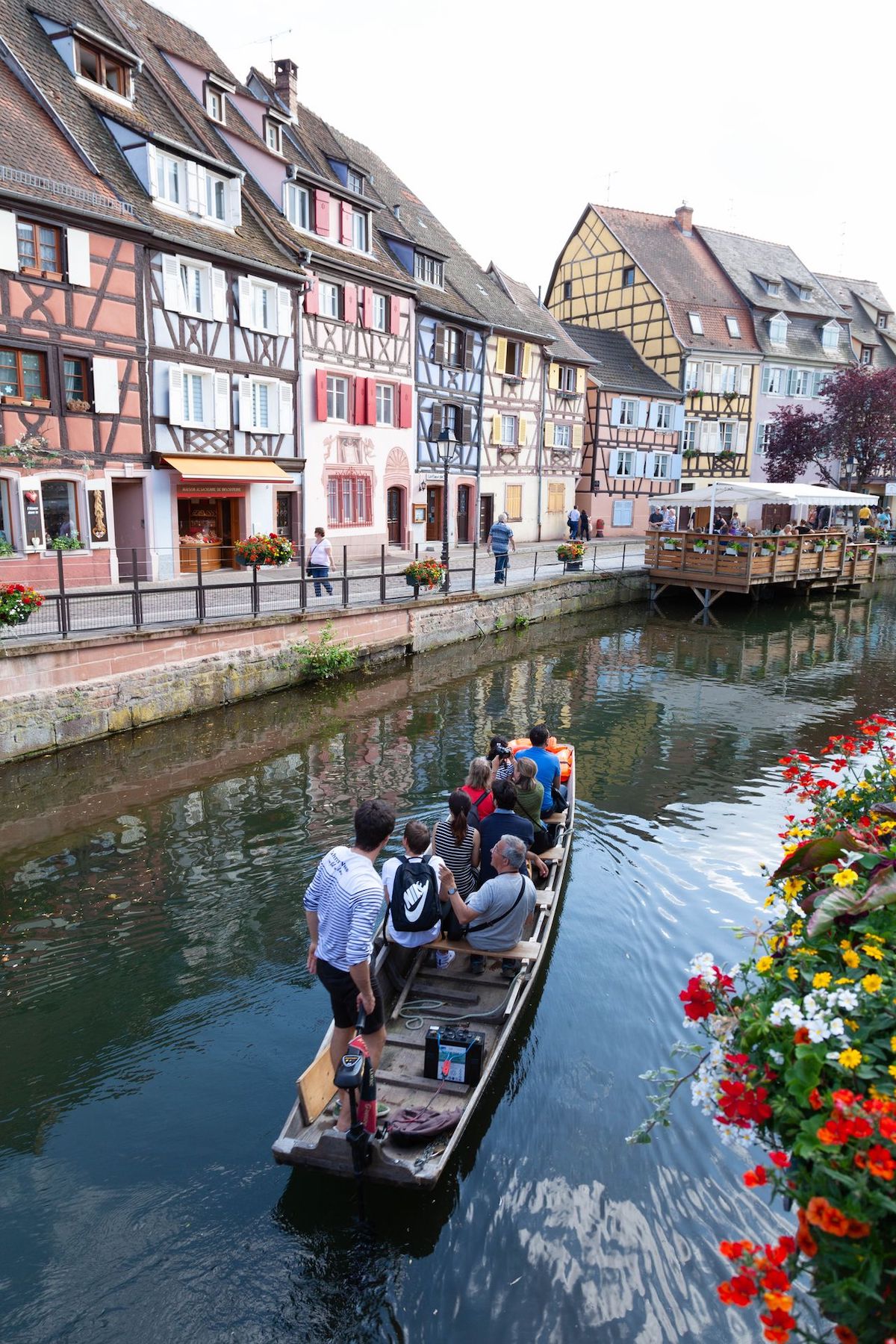
Coach tours work especially well for first-time visitors to Europe, solo travelers who want company without arranging it, and older travelers who would rather not manage heavy luggage on trains. Families with a tight school-holiday window also benefit, because the schedule removes a long list of small decisions. Independent travelers with firm opinions about where to eat and when to move may feel boxed in, so weigh your own temperament as well as the itinerary.
The trade-offs to weigh
A fixed schedule is the main compromise. If a cathedral town charms you, the coach still leaves on time. Group departures mean you can’t linger, and early starts are common.
Time on the road is the second. EU rules limit how long a coach driver can be at the wheel and require regular breaks, which is good for safety, but a four-hour transfer day still leaves you less time in the city at the other end. Check how many nights you spend in each place, because one-night stops add up quickly.
You also tend to see the highlights more than the corners. Coach routes favor well-known stops, and large groups can crowd narrow streets. If your ideal trip means wandering with no plan, an independent itinerary may suit you better. And a group is a group: you will share the vehicle with strangers, some of whom might become your favorite part of the trip.
Weather is a quieter factor. A rainy day on a fixed itinerary still includes the same stops, so pack a light waterproof layer and treat the wet hour as a reason to spend longer in the museum on your list.
Choosing a tour that fits how you travel

Operators differ in group size, pace and what they include, so compare itineraries rather than headline prices. Whether you’re reading the day-by-day plan for guided tours with Travel Chasers, or for any other operator, look at how many hours you will spend on the coach compared with on foot, how many hotels you will unpack in, and how much free time the schedule leaves. Those three numbers tell you more about the experience than the brochure photos do.
Best practices for a smooth trip
A few habits separate a good coach trip from a tiring one.
- Pack light. Luggage space is limited, and you will carry your own bag at some stops. One medium suitcase and a daypack is plenty.
- Ask how seating works on day one. Many groups rotate seats, which keeps the front rows from becoming a permanent privilege.
- Protect your free time. Use free afternoons for the one thing the schedule skips, whether that is a market, a museum or a long lunch.
- Confirm what is included. Meals, drinks, optional excursions and tips for guides and drivers vary between itineraries, so set aside a budget for extras.
- Be early at every departure. The coach waits for one late traveler at everyone else’s expense.
- Consider spring or autumn. Shoulder-season trips tend to mean thinner crowds at headline sights and milder days for walking.
A European bus tour won’t suit every traveler, but it removes the hardest parts of planning and puts the focus on what you came to see. Weigh the trade-offs, read the itinerary closely, and pick the pace that fits you.
*This article is contributed by Travel Chasers.